
A structured guide to rooms, setting and what sits beyond the lobby
Prime Vacation House presents nine hospitality properties in a fixed editorial frame: location, star class, how the grounds read, and what surrounds the door. Each entry ends at the property’s own official listing. We publish descriptions. We do not take reservations.
Catalogues
Three ways into the selection
Each catalogue groups properties by a single reading angle. Open one, compare the entries, then follow a listing link only when you want the provider’s own detail.
Shoreline Selection
Properties where a river, lake or harbour front does most of the work of the stay. Water shapes the views, the grounds and how the day is paced.
Open Shoreline Selection
Stay Discoveries
A cross-section of accommodation read through rooms, location and the surrounding area — city edges, downtown blocks and mountain approaches.
Open Stay Discoveries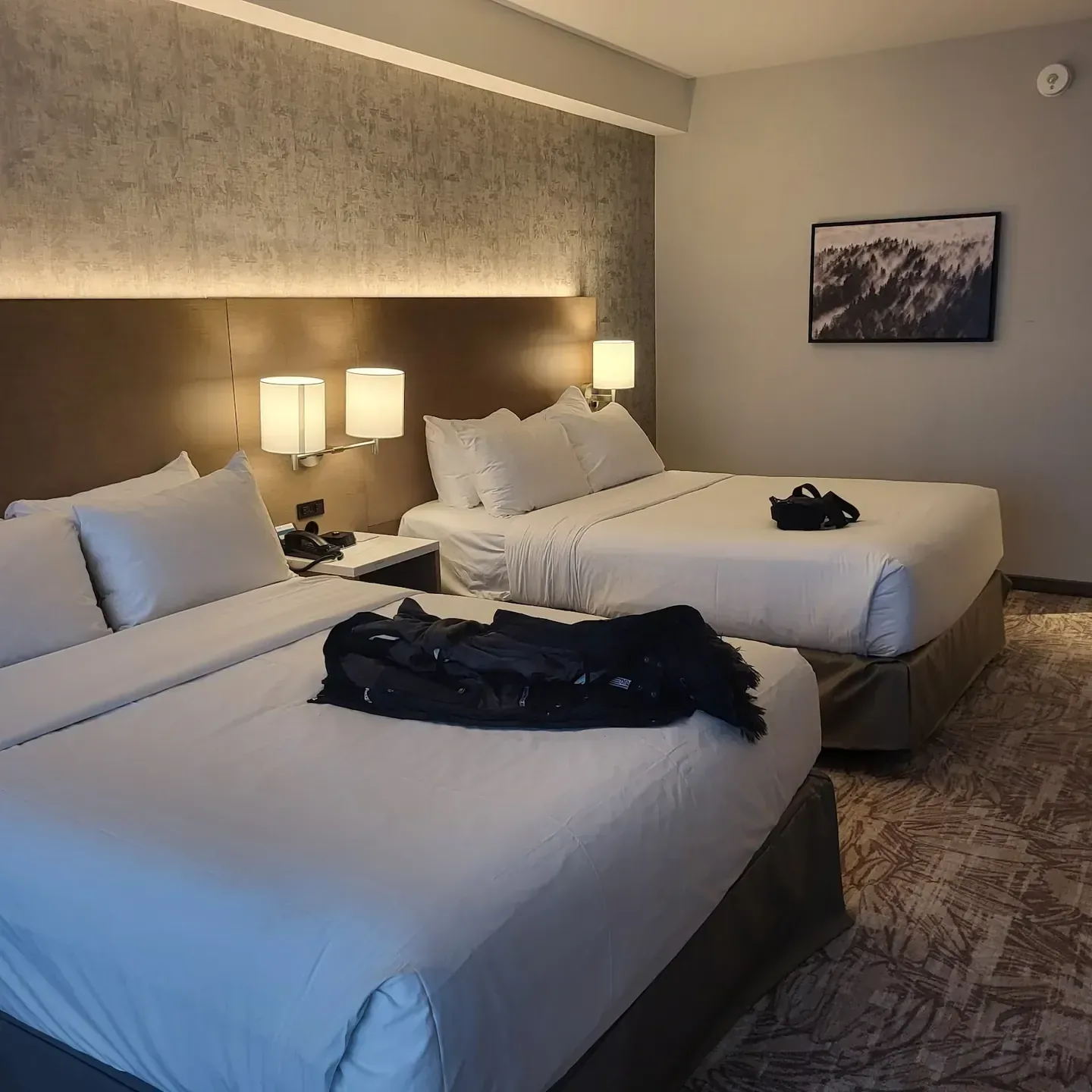
Urban Properties
Properties inside or beside a city centre, weighed by what sits within walking distance of the door — streets, transit edges and nearby districts.
Open Urban PropertiesReading a stay
What to look for in a stay
Use these prompts when you move from a catalogue card to an official listing. They keep the comparison structural.
Start with water, city fabric or open country. The surrounding landscape usually explains more about a stay than any single indoor feature. Confirm the setting on the listing map and recent photographs.
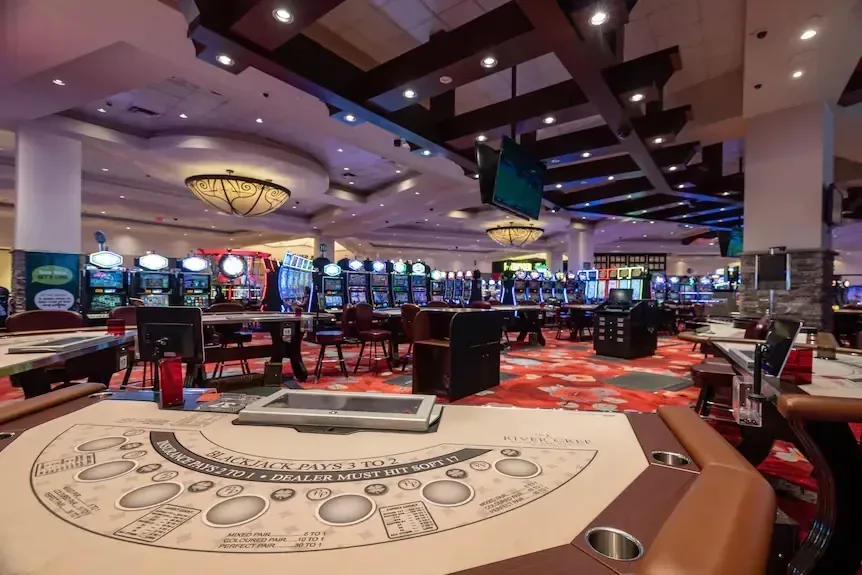
Many properties in this guide include age-restricted gaming areas. Read how those floors connect to lobbies and rooms. Separation is a planning detail, not a ranking signal.
Star class summarises a broad hospitality bracket. It does not replace room descriptions, house rules or the provider’s own service notes. Treat it as one field among several.
Urban and edge-of-city properties reward a short walk survey: transit, parks, dining streets. Resort entries reward a look at on-site grounds and the immediate approach roads.
Access ages, check-in practice and house policies belong to the property. This guide points you toward listings; it does not interpret those rules for you.
The guide
Who we are and how entries are built
Prime Vacation House is an independent editorial desk. We organise publicly available facts into a consistent structure so readers can compare places without sales language.
Who We Are
We write hospitality descriptions for readers who want clarity before they open a listing. We are not a booking desk and we do not represent any property named here.
What We Present
Each entry carries location, category, star class and a short setting-led description. One photograph and one official listing link complete the card.
Our Approach
Copy stays declarative. We avoid invented amenities, guest quotes about named hotels, and any language that implies a room is held for you.
Visitor feedback
Notes on using this guide
I noticed there was no commercial push and no urgency language, so I actually read the descriptions instead of skimming for a button. That calm pace kept me on the page longer.
Colin R.
The layout is quick to scan. Sections do one job each, and nothing competes for attention while I decide which catalogue to open.
Gregory R.
I used the three categories to narrow the field first. Only after that did I follow a listing link for fuller detail.
Ingrid M.
Comparison fields
What a stay usually includes
These four fields recur across the properties in this guide. Use them as a checklist when you open an official listing — not as a promise that every property offers the same mix.
Guest rooms
Sleeping floors, room categories and how they sit relative to public spaces on the property.
Dining context
On-site dining options and how meals relate to the lobby, grounds and evening floors.
Shared spaces
Lobbies, lounges and resort commons that shape the first hours after arrival.
Surroundings
Waterfront, city streets, countryside or mountain approach — the landscape outside the door.